
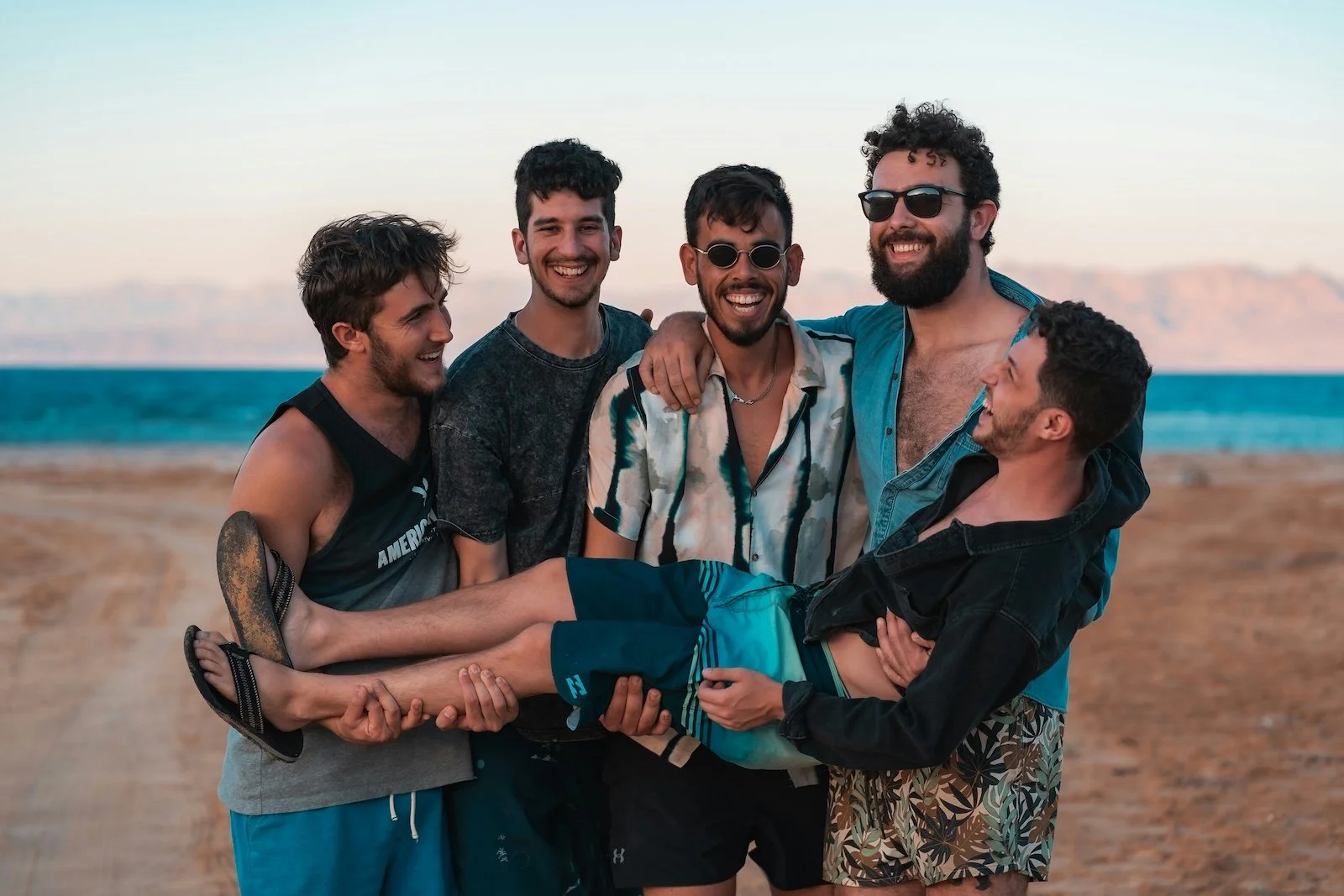
Men's Groups in the Blue Mountains
Many men grow up learning to handle things alone and keep feelings to themselves. It works until it doesn't: a relationship strains, work becomes hollow, or anger and exhaustion start leaking out sideways.
A growing number of men are finding that strength looks different from what they were taught. It comes from being honest, being connected, and living by their values.
A men's group is one of the most practical ways to build that. I've run groups for men for the past 20 years, and here is what I've seen they offer.
Emotional Intelligence: The Key to Connection and Growth
Emotional intelligence is the ability to recognise and manage your own feelings and to understand other people's. It shapes your relationships, your mental health and how you work with others. In a well-run group, men build it by practice:
Breaking the silence. Many men have been taught that vulnerability is weakness. A group offers a confidential, judgement-free space to talk about fear, anxiety and struggle without having to defend or explain yourself.
Finding the words. When another man puts words to something you've felt but never named, it gives you a way to say it too.
Learning to listen. Deep listening and speaking honestly are skills, and they improve with repetition. Men tell me it changes how they show up as partners, fathers, friends and colleagues.
Accountability: owning your actions and their impact
Accountability means taking responsibility for your choices and how they affect others. In a group, it's supportive rather than punishing:
Aligning values and actions. Members check in on the commitments they've made, which helps close the gap between who they want to be and how they're living.
Honest feedback. Family and friends often hold back, and other men in the group will tell you what they see, with care.
Interrupting old patterns. Whether it's anger, avoidance, or feeling stuck at work or at home, it's easier to spot a pattern when others can see it too.
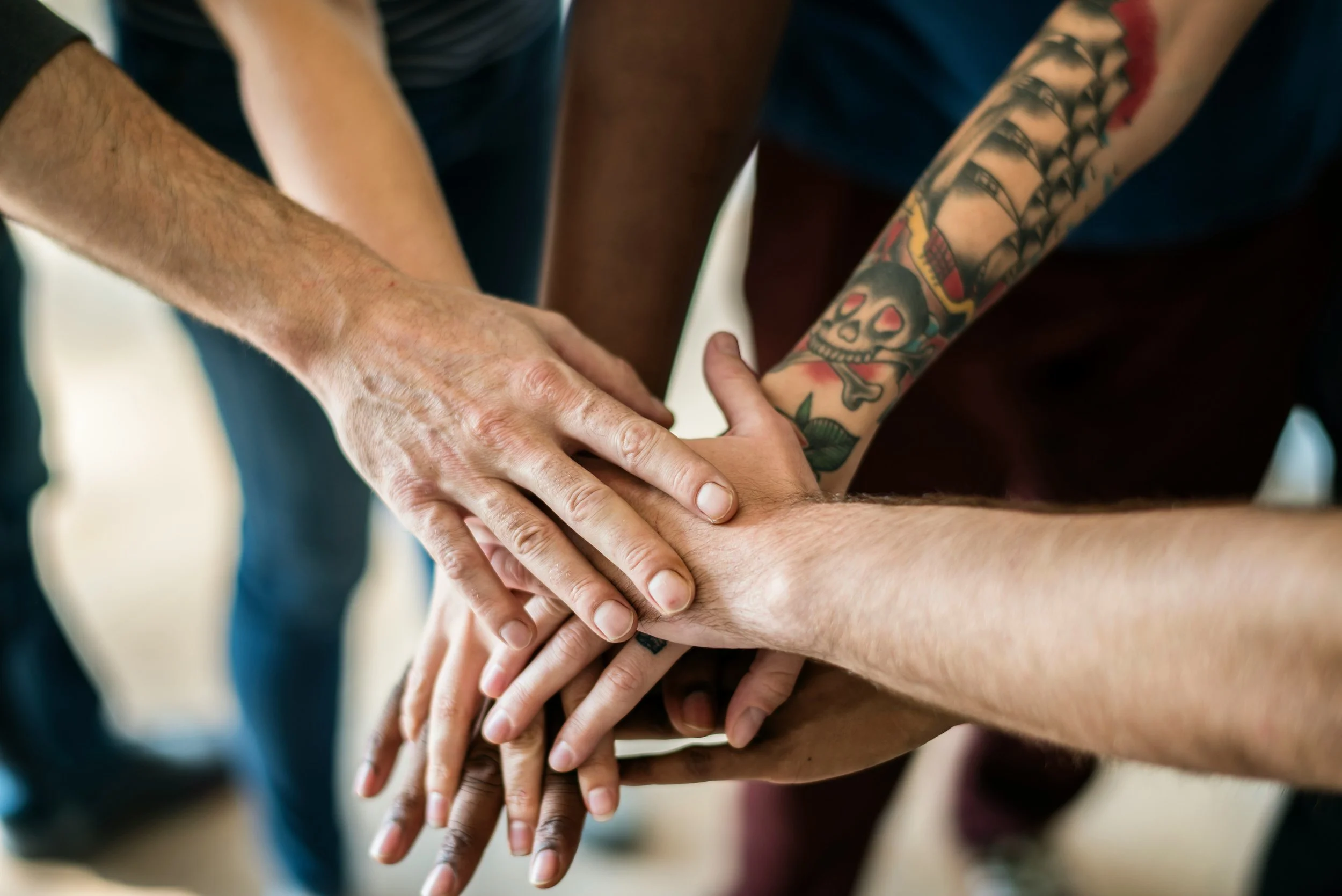
Purpose and leadership: strength without the armour
Leadership isn't only about being in charge. It starts with knowing yourself and acting with intention.
Leading with honesty. Men who stop performing invulnerability tend to become more approachable and more trusted, at home and at work.
Clarifying what matters. Through reflection and conversation with peers, men often get clearer on their values and what they want their lives to stand for.
Learning from each other. Longer-standing members model healthy communication for newer ones, so the group becomes a source of mentorship.
What to expect in my groups
During this 10-week program designed for men, we practice feeling and speaking about our emotions, understanding and practicing integrity (walking my talk), and learning how my stories and ‘mental projections’ about others are often about me, not others. Our deepest work concerns “shadow” (what I hide, suppress and deny), which is the source material for deep healing. Men who complete the 10-week program are welcome to join a long-standing men’s circle that I host in the Blue Mountains.
to expect in my group
Testamonials
“Being part of men’s circle gives men in the community the feeling of belonging and support.It helps take the guesswork out of being a man and leads to happier individuals that love and support their families, friends and colleagues. Men who are part of men’s circles are good role models to younger males as dads, coaches, teachers and mentors.”
~ Damien, Blackheath
“The structure that we use enables us to do this in a safe, meaningful, productive and connected way. We can talk about our shortcomings without fear of judgement, exposure or weaponisation. Having that space to do those things – this is self-awareness and personal growth on steroids.”
~Kris, Leura

Pricing
$600 covers tuition and materials.
Finding a men’s Group
Established networks. ManKind Project Australia runs peer-facilitated circles and experiential training weekends, with a directory on its site.
Local options. Search for "men's circles" or "men's support groups" in your area. Many groups are community-run.
In the Blue Mountains. I run men's groups in Lawson focused on emotional literacy, accountability and purpose. Send an enquiry or call 0411 156 015 and I'll tell you how the groups work and whether one is a good fit.
Frequently asked questions
Is a men's group the same as therapy? No. A group is peer-based and structured around shared practice, while therapy is individual work with a clinician. Some men do both.
What if I'm not comfortable talking in front of others? That's common. Most men start by listening, and nobody is pushed to share before they're ready.
Is what I say confidential? Everything we share is confidential. Confidentiality encourages men to be real and vulnerable.
If you're struggling right now, you can call Lifeline on 13 11 14 or MensLine Australia on 1300 78 99 78, any time.
Achieve greater self-insight, understand your patterns, change self-limiting behaviours
If you'd like to explore this one-to-one first, individual therapy in Lawson or via telehealth is another place to start.