
A holistic approach for healing anxiety rooted in trauma

Anxiety disorders are common worldwide, impacting roughly one in four people at some point in their lives. They are more prevalent in women and often emerge early in life, frequently co-occurring with other mental health conditions.
Specific phobias are the most common type of anxiety disorder, followed by social anxiety disorder and generalized anxiety disorder. These conditions stem from a complex mix of biological, psychological, and environmental factors.
Understanding the Mind-Body Connection
Anxiety involves more than just worry; it affects the entire body and mind.
Physical symptoms often include:
Rapid heart rate or shortness of breath
Trembling, sweating, or muscle tension
Digestive issues or sleep problems
Cognitive symptoms often involve persistent “what-if” thinking and catastrophizing. While avoiding triggers offers temporary relief, it ultimately strengthens anxiety's grip in the long term.
The science of trauma and somatics proposes that anxiety related to past experiences is a physiological response resulting from a dysregulated nervous system. The body remains in a persistent state of "fight, flight, freeze, or fawn" long after the actual threat has passed.
Integrating somatic practices (a "bottom-up" approach focusing on the body) with cognitive therapy (a "top-down" approach focusing on thoughts) provides a comprehensive path to healing from trauma and anxiety.
Want to learn more about traditional methods? For a description of how cognitive behavioural therapy (CBT) as a stand-alone therapy can benefit anxiety, read my post titled, What’s best practice for treating anxiety and obsessive-compulsive disorder?

The Trauma-Anxiety Connection
Trauma fundamentally alters how our nervous system operates, creating a constant state of high alert.
Nervous System Dysregulation
When a person experiences a traumatic event, their autonomic nervous system activates survival responses (fight, flight, freeze, or fawn). If this high-magnitude survival energy is interrupted or overwhelmed, it gets "trapped" or "stuck" in the body, leading to ongoing dysregulation.
Anxiety as a Survival Signal
In this context, anxiety is not just a mental state but a physical manifestation of this ongoing high alert (hyperarousal). The body continuously perceives a threat, causing physical symptoms even in safe situations. Indicators include a racing heart, muscle tension, rapid breathing, hypervigilance and/or an overall sense of dread.
Mind-Body Disconnect
Trauma can cause a profound disconnect between the mind and body. Your conscious mind might know the danger is over, but your body continues to react as if the trauma is recurring. This can lead to chronic physical symptoms like pain, fatigue, headaches, and digestive issues that lack an apparent medical cause.
The Somatic Approach to Anxiety
Somatic approaches, such as Somatic Experiencing developed by Dr. Peter Levine, work from a "bottom-up" perspective. They focus on the body's sensations to address and release this trapped energy, rather than solely focusing on thoughts and emotions.
Key Principles of the Somatic Approach
Body Awareness (Interoception): This emphasizes building awareness of internal bodily sensations to help individuals safely recognize where tension is held and connect with their physical experiences.
Completing the Stress Cycle: Techniques are used to help the body finish the truncated fight, flight, freeze, or fawn responses through gentle movements, shaking, or focused breathing. This "discharges" pent-up survival energy, allowing the nervous system to return to a regulated, balanced state.
Self-Regulation and Resilience: Through techniques like titration (gradually approaching uncomfortable sensations) and pendulation (cycling between activated and calm states), individuals learn to self-regulate their nervous systems and build resilience.
In essence, the science of trauma and somatics views anxiety as an intelligent, though dysfunctional, protective mechanism rooted in biology. It provides a framework to heal by safely processing and releasing the physiological impact of past trauma.
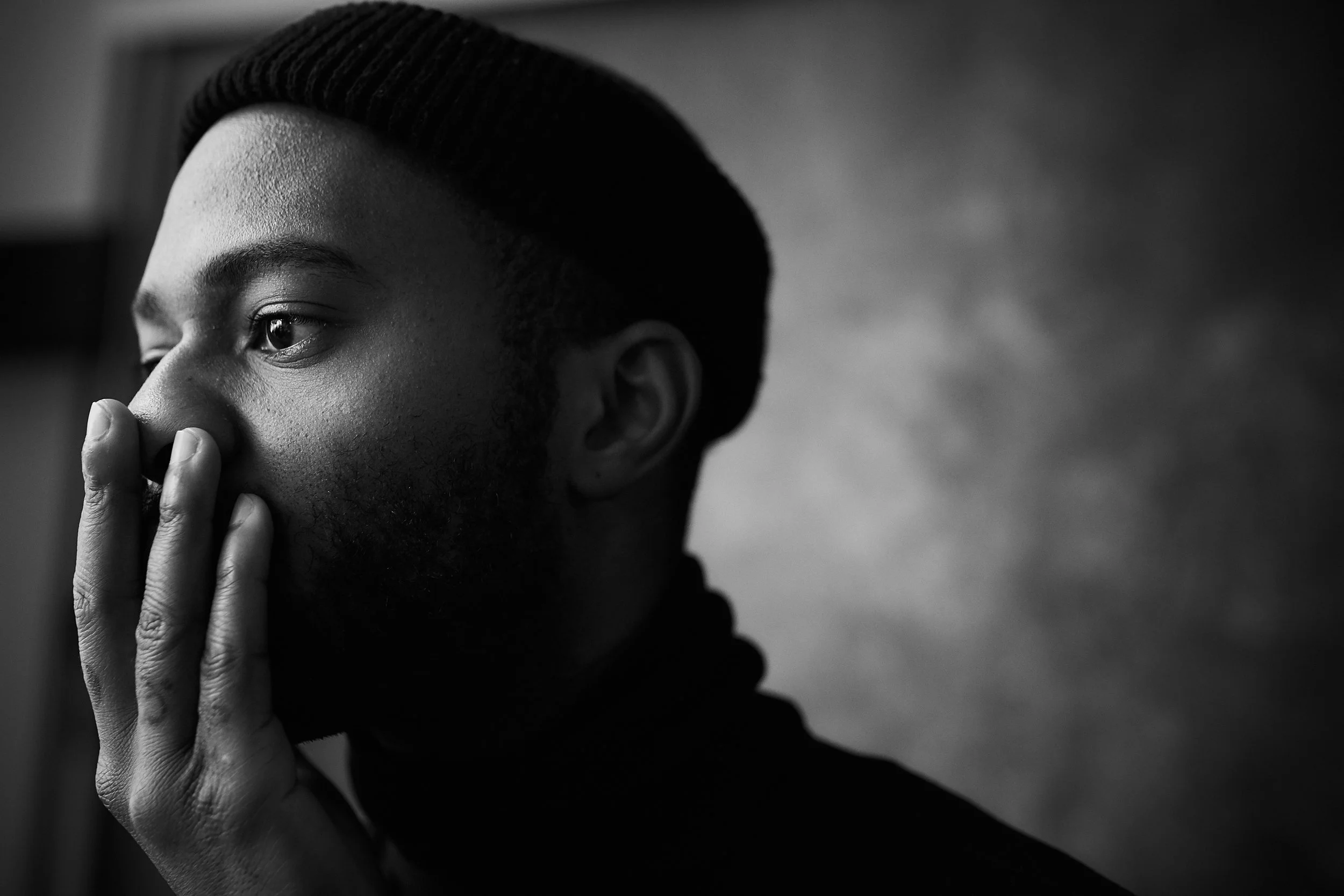
Integrating Somatic Practices with Cognitive Therapy
Integrating "bottom-up" somatic practices with "top-down" cognitive therapy provides the most holistic approach for healing and recovery from trauma and anxiety.
Somatic tools help regulate the nervous system and build the body's capacity to tolerate uncomfortable sensations. This increased capacity allows individuals to safely discuss difficult memories in cognitive therapy without becoming overwhelmed, dissociated, or re-traumatized.
By releasing physical tension and becoming more connected to their bodies, individuals often gain deeper insights into their experiences and behaviours than cognitive therapy alone might provide. The body often "remembers" things the conscious mind has blocked.
Evidence for Somatic Therapy
While trauma-focused CBT remains a first-line treatment, the evidence base for somatic practices as an adjunct therapy is growing rapidly.
Research Highlights
Positive Effects on PTSD: A 2021 scoping review of Somatic Experiencing (SE) found preliminary evidence for positive effects on PTSD-related symptoms, as well as affective and somatic symptoms in both traumatized and non-traumatized individuals.
Significant Symptom Reduction: An earlier 2017 randomized controlled trial found significant decreases in PTSD and depression symptoms in participants receiving SE compared to a control group.
Neurobiological Underpinnings: Research in neuroscience shows that trauma impacts the brain's subcortical regions (the brainstem and limbic system), which govern physical responses and emotions. Somatic therapy targets these "body memories" by engaging the nervous system, helping to create new neural pathways for emotional regulation and stress reduction.
Addressing Limitations of Talk Therapy: Traditional talk therapies rely heavily on verbal communication and cognitive skills. They may not fully address trauma that is "stuck" in the body, which is especially relevant for preverbal or chronic trauma. Somatic methods offer an alternative processing path for individuals who struggle with purely cognitive approaches.
Current evidence suggests that somatic techniques are valuable and effective additions to cognitive therapy, providing a mechanism to process and release the physiological impact of trauma on multiple levels: thoughts, body, and relationships.
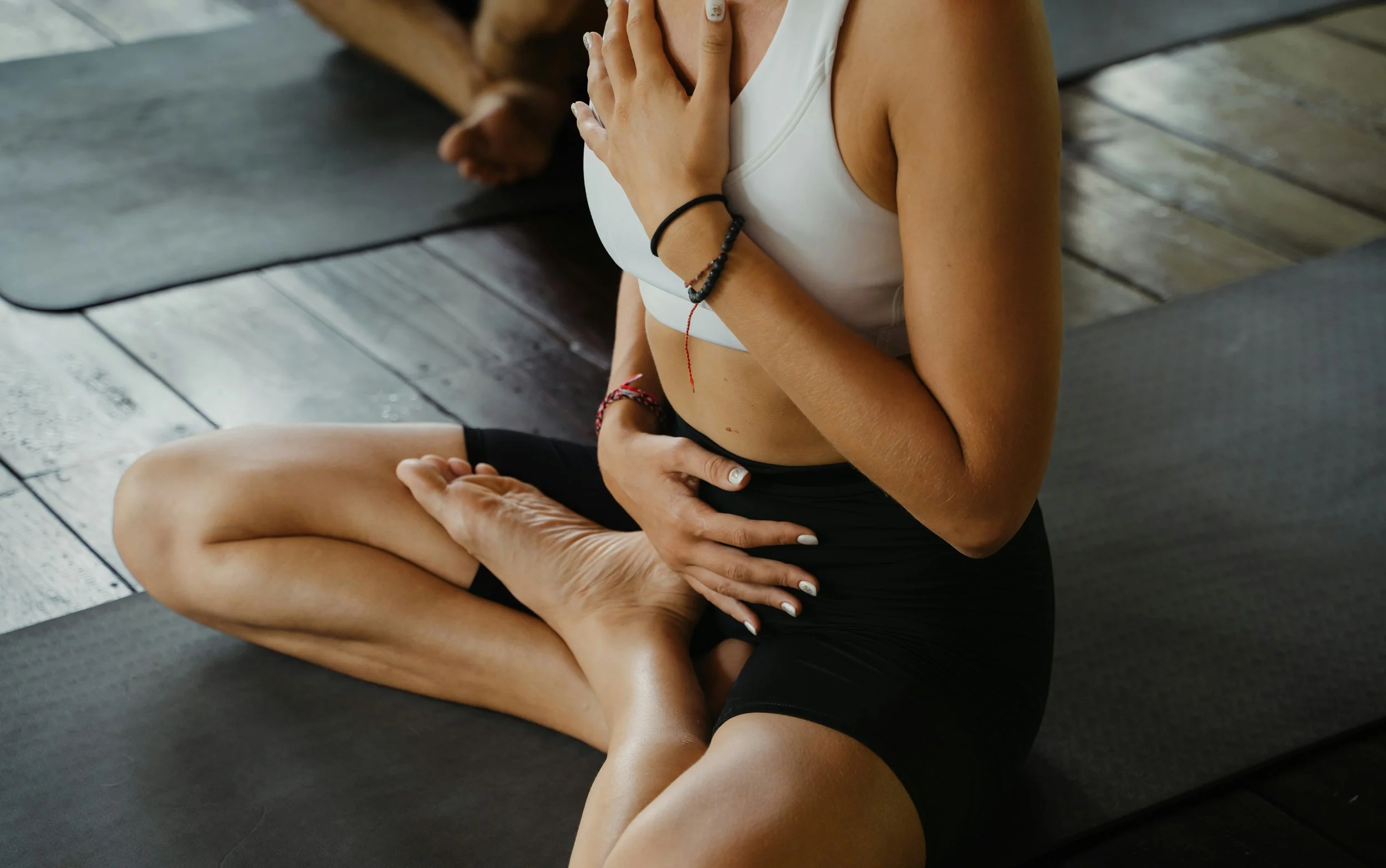
Somatic Exercises for Anxiety Relief
Below I’ve briefly described some examples of specific somatic exercises for anxiety relief that help regulate the nervous system by releasing trapped physical tension and promoting a sense of safety and presence.
Grounding Techniques
Grounding helps bring awareness back to the present moment, shifting focus from anxious thoughts to physical sensations.
Grounding Through the Feet
Stand or sit with your feet flat on the floor.
Press your feet firmly into the ground, noticing the pressure and support.
Rock slightly forward and backward, feeling the shift in weight, which helps anchor you to the earth and your physical body.
Tactile Grounding
Hold an object with a distinct texture (a smooth stone, a soft piece of fabric, or even an ice cube) and focus intently on the physical sensation it creates in your hands.
Breathing Exercises
Regulating your breath is one of the fastest ways to calm the nervous system and stimulate the vagus nerve, which activates the body's parasympathetic (rest and digest) response.
Physiological Sigh/Cyclic Sighing
Take two quick inhales through your nose, followed immediately by one long, slow exhale through your mouth (a true "sigh of relief").
Repeat this cycle 3-5 times to quickly reduce stress levels.
Box Breathing (4-4-4-4)
Inhale through your nose for a count of 4.
Hold your breath for a count of 4.
Exhale through your mouth for a count of 4.
Hold empty for a count of 4.
Repeat for several cycles.
Self-Soothing and Movement
These techniques use gentle touch and movement to release physical tension and create a sense of safety within your body.
The Butterfly Hug
Cross your arms over your chest, with each hand resting on the opposite upper arm or shoulder area.
Gently and alternately tap your hands on your arms, creating a rhythmic, bilateral stimulation while focusing on your breath.
Progressive Muscle Relaxation
Lying down or seated, intentionally tense a specific muscle group (e.g., your feet) for about 5-10 seconds.
Quickly release the tension, noticing the difference in sensation.
Move systematically through your entire body, from feet to head.
Rhythmic Movement / "Shake It Off"
Animals often shake their bodies after a stressful event to release pent-up survival energy.
You can do the same by gently shaking your arms, legs, or your entire body for 30–60 seconds, or dancing freely to music that feels good.
Humming or "Voo" Sound
Humming or making resonant sounds like "Om" or "Voo" activates vibrations that stimulate the vagus nerve, helping to calm the body and mind.

Conclusion: A Complete Path to Healing
A growing body of research, while still considered preliminary for some specific somatic modalities compared to first-line treatments like trauma-focused cognitive behavioural therapy (CBT), strongly supports the integration of these practices with traditional talk therapy.
Research evidence indicates that this combined "top-down" (cognitive) and "bottom-up" (body-based) approach can be highly effective for treating chronic trauma and anxiety.
By combining the cognitive understandings and meanings gained in traditional therapy with the physical release offered by somatic practices, individuals can effectively process and move beyond anxiety rooted in trauma.
If you are ready to experience the benefits of an integrated, holistic approach to anxiety in your own life, please visit the contact page and make an enquiry or booking today.
Achieve greater self-insight, understand your patterns, change self-limiting behaviours
If this reflection spoke to you, I offer counselling in the Blue Mountains and online via telehealth, helping you nurture deeper self-awareness, connection, and harmony in your everyday life.