
How men's groups build emotional intelligence, accountability, and real leadership

The old-school idea of what it means to be a man is changing. Many men are brought up believing masculinity means hiding one’s feelings and handling everything alone. But a growing movement is showing that real strength comes from being open, connected, and leading one’s life with purpose.
Men's groups are emerging as powerful forums where this shift is happening, providing the support needed for personal growth and building evolved, conscious leadership skills.
I know this from extensive experience. For the past 20 years, I’ve been running safe, powerful groups designed to teach men about emotional intelligence, accountability, leading with purpose, and serving others. Here’s an expanded rundown of what this means and why it’s vital for modern men.
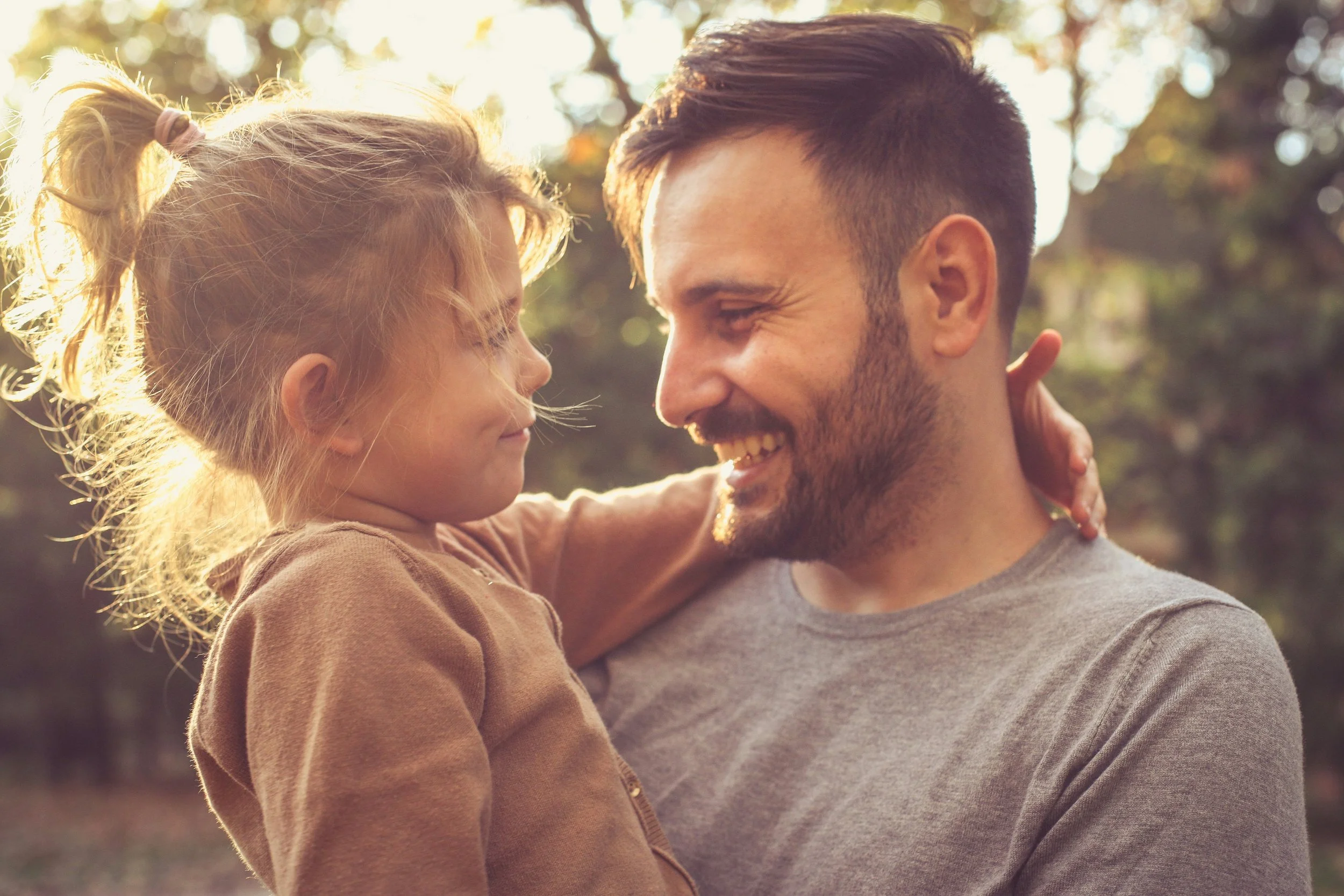
Emotional Intelligence: The Key to Connection and Growth
Being emotionally "literate" (often called emotional intelligence or EI) means being skilled at recognising and managing feelings in yourself and others. It's an important life skill for healthy relationships, mental well-being, and professional success. Men's support groups are a game-changer for building this crucial skill:
Breaking the silence: Many men are conditioned to hide their vulnerabilities. This is often driven by the core cultural message of not appearing "weak." Well-run men’s groups provide an antidote to this thinking. They offer a judgment-free zone where men feel safe sharing their fears, anxieties, and struggles without shame.
A new playbook for feelings: Hearing other men voice their feelings helps participants put words to their own emotions. This creates a shared reality that real strength lies in showing up, telling the truth, and being emotionally connected.
Empathy training: Research and personal stories show that men learn empathy by practicing deep listening and speaking from the heart. These so-called ‘soft skills’ help men become better partners, friends, fathers, and colleagues.
Accountability: Owning Your Actions and Impact
Accountability is about taking responsibility for your choices and actions, and the impacts you have on the world. It's a core rule in most great men's groups and a foundation of strong character:
Integrity as a standard: Men’s groups provide supportive accountability for each man's life, encouraging integrity and alignment between their values and actions.
Supportive nudges: Members hold each other accountable for the goals and commitments they make. This isn't about harsh judgment, but about supportive encouragement and constructive feedback, pushing each other to be their best selves.
Breaking old patterns: Whether it's dealing with anger management, relationship issues, or feeling stuck at work, the group can help spot and stop unhelpful behavioural patterns. If you so choose, you can also get honest, direct feedback that family or friends might avoid giving.
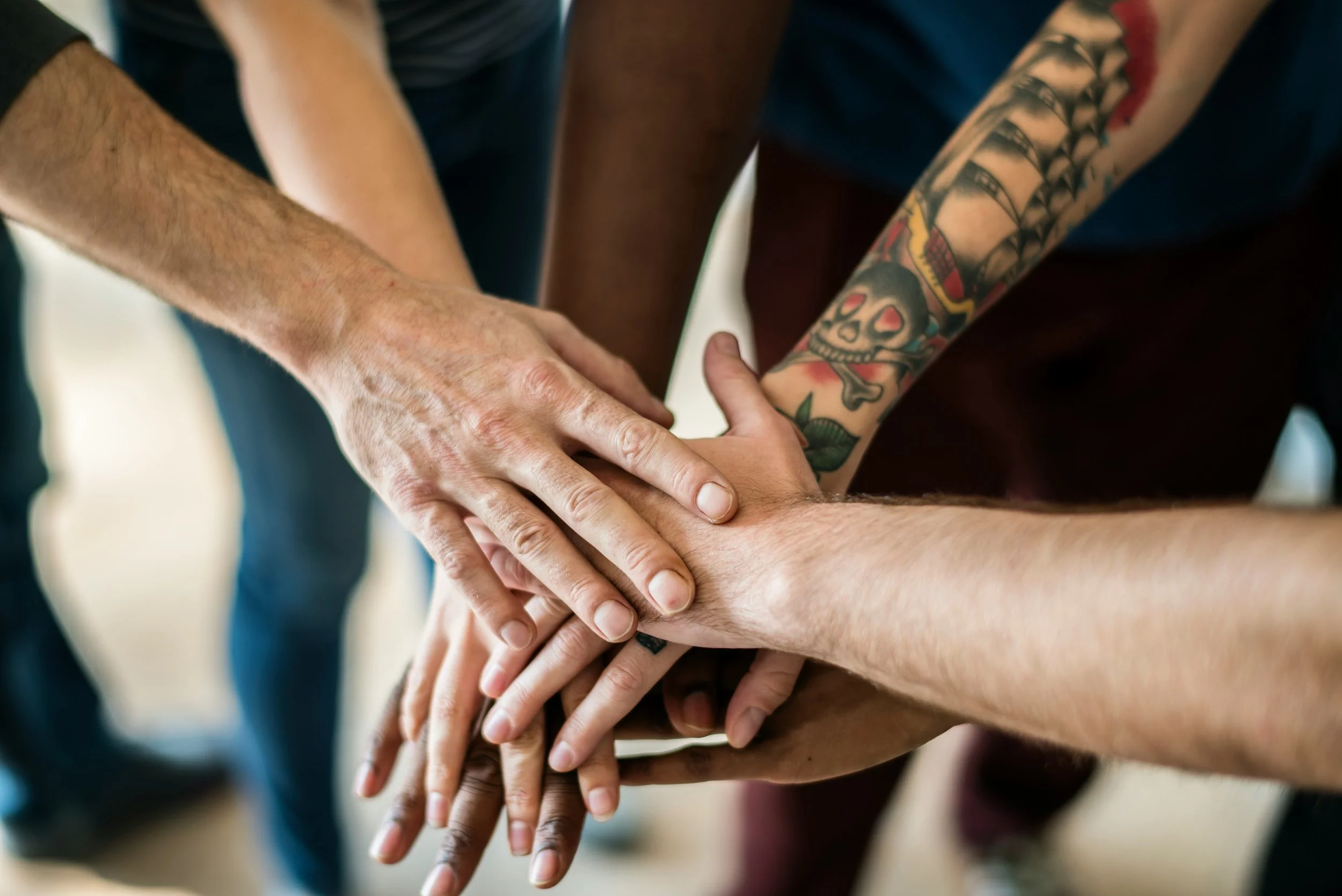
Conscious Leadership: Redefining True Strength
Conscious leadership is about more than just being in charge. It's about knowing yourself, leading with purpose, and serving others. Men's groups cultivate these qualities by:
Leading with vulnerability: Men’s groups teach that true strength isn't about being an unbeatable superhero; it's about being authentic and showing up as a real human. This vital shift redefines what it means to lead, making men more compassionate and approachable leaders in all areas of life.
Purpose-driven living: Through self-exploration and peer discussions, men often clarify their core values and life purpose. This clarity informs their decisions and actions, enabling them to lead with intention and integrity.
Mentorship and modelling: Seasoned members model healthy communication, emotional intelligence, and accountability, providing newer members with examples of evolved masculinity. This organic mentorship structure builds a pipeline of leaders committed to positive change.

Find a men’s Group
Established networks: You can research well-known global organizations that offer structured programs and established local circles, such as the ManKind Project (MKP). Their Australian branch, ManKind Project Australia, provides a directory for finding peer-facilitated support circles and details on their experiential training adventures.
Community and local search: Many groups are community-based or informally organized. Search online for local "men's circles," "men's support groups," or "men's health events" in your community.
Blue Mountains circles: I run men’s groups in the Blue Mountains where you will learn emotional literacy, personal accountability, and true life-purpose. If you’re ready to experience the benefits of a safe, strong men’s group, make an enquiry or booking today.
Achieve greater self-insight, understand your patterns, change self-limiting behaviours
If this reflection spoke to you, individual therapy in the Blue Mountains or via telehealth can help you nurture deeper self-awareness, connection, and harmony in your everyday life.